06.04.2026 08:20
Here's an original English rewrite of the provided news text, incorporating diverse sentence structures and expanding on the details, while omitting the specific website references:
**Iran Weighs US Ceasefire Offer Delivered Through Pakistan, Firm on Non-Pressure Acceptance**
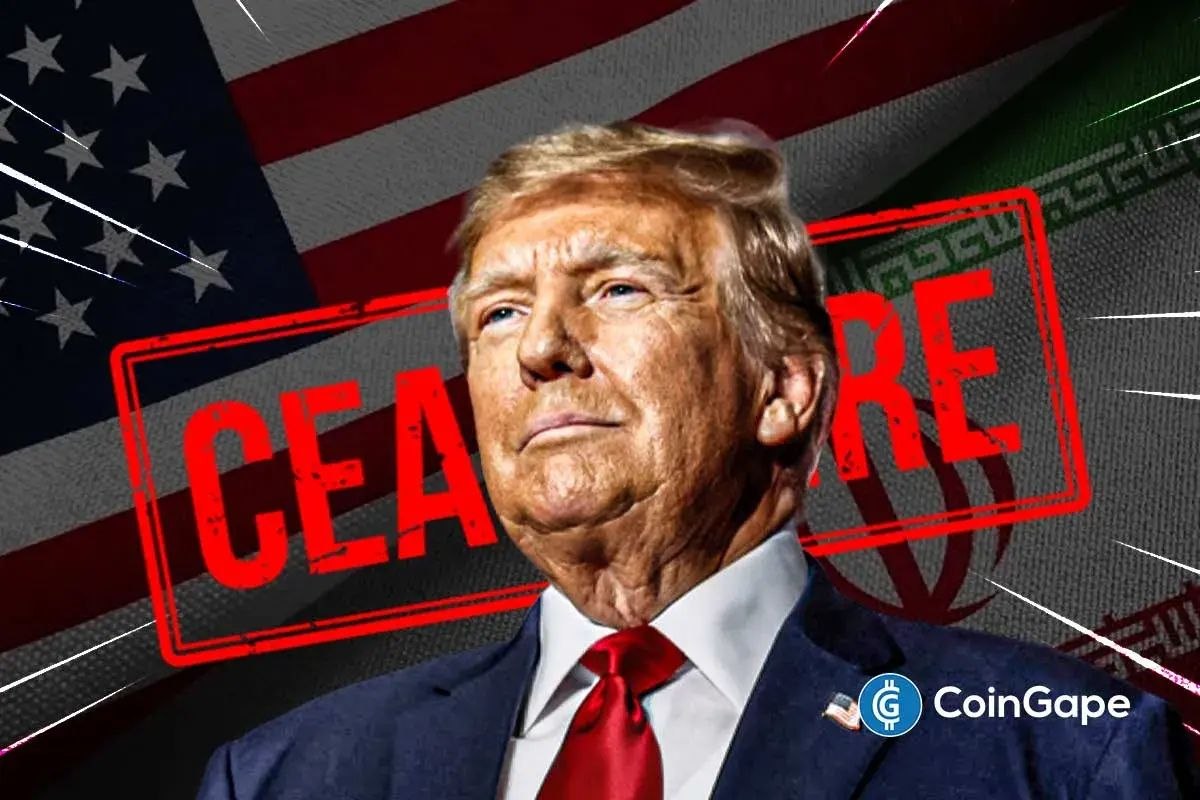
Recent developments have emerged regarding a potential de-escalation of tensions in the Middle East, as Iranian officials have confirmed receipt of a ceasefire proposal originating from the United States, relayed through Pakistan. According to a senior Iranian official speaking to Reuters, the offer is currently undergoing careful scrutiny within the country’s leadership. Crucially, the official emphasized that Iran will not entertain any agreement imposed by external pressure or dictated by artificial deadlines, signaling a resolute stance on maintaining its sovereign decision-making process.
The Iranian government’s response highlights a significant point of contention: the insistence on a voluntary and considered acceptance of any potential resolution. They have explicitly stated that the proposal is being thoroughly examined, demonstrating a measured approach to a potentially transformative development. Furthermore, a key element of their position remains unwavering – they will not reopen the strategically vital Strait of Hormuz in exchange for a merely “temporary” cessation of hostilities. This suggests a desire for a more comprehensive and lasting agreement than a simple, short-term truce.
Analysts believe that the US appears to be lacking the necessary commitment for a truly permanent ceasefire, a sentiment echoed by Iranian representatives. This perceived hesitancy is fueling a cautious response from Tehran, prioritizing a long-term solution over a quick fix. The situation underscores the complex dynamics at play and the considerable obstacles to achieving a stable and enduring peace.
The news has triggered a noticeable reaction in global financial markets. Initial indications suggest a negative response from the US Dollar, as evidenced by a decline in the US Dollar Index, currently hovering around 100.00. Simultaneously, the price of West Texas Intermediate (WTI) crude oil has experienced a downward trend, dropping approximately 1.6% to near $102.00 per barrel, reflecting heightened uncertainty and risk aversion within the energy sector.
To better understand the broader market implications, it’s helpful to consider the concepts of “risk-on” and “risk-off” sentiment. In a “risk-on” environment, investors are generally optimistic and inclined to invest in assets perceived as potentially high-reward, even if they carry a degree of risk. Conversely, a “risk-off” market is characterized by investor caution, leading them to favor safer, more stable investments. Currently, the market appears to be leaning towards “risk-off,” driven by the geopolitical instability and the uncertain outcome of the ceasefire negotiations. This shift typically results in a decline in stock markets, a rise in the value of certain commodities (excluding gold), and an increase in the value of cryptocurrencies.
As investors react to these developments, it’s important to recognize the interconnectedness of global financial systems and the sensitivity of markets to geopolitical events. The coming days will undoubtedly be crucial in determining the trajectory of both the conflict and the broader economic landscape.