06.04.2026 13:22
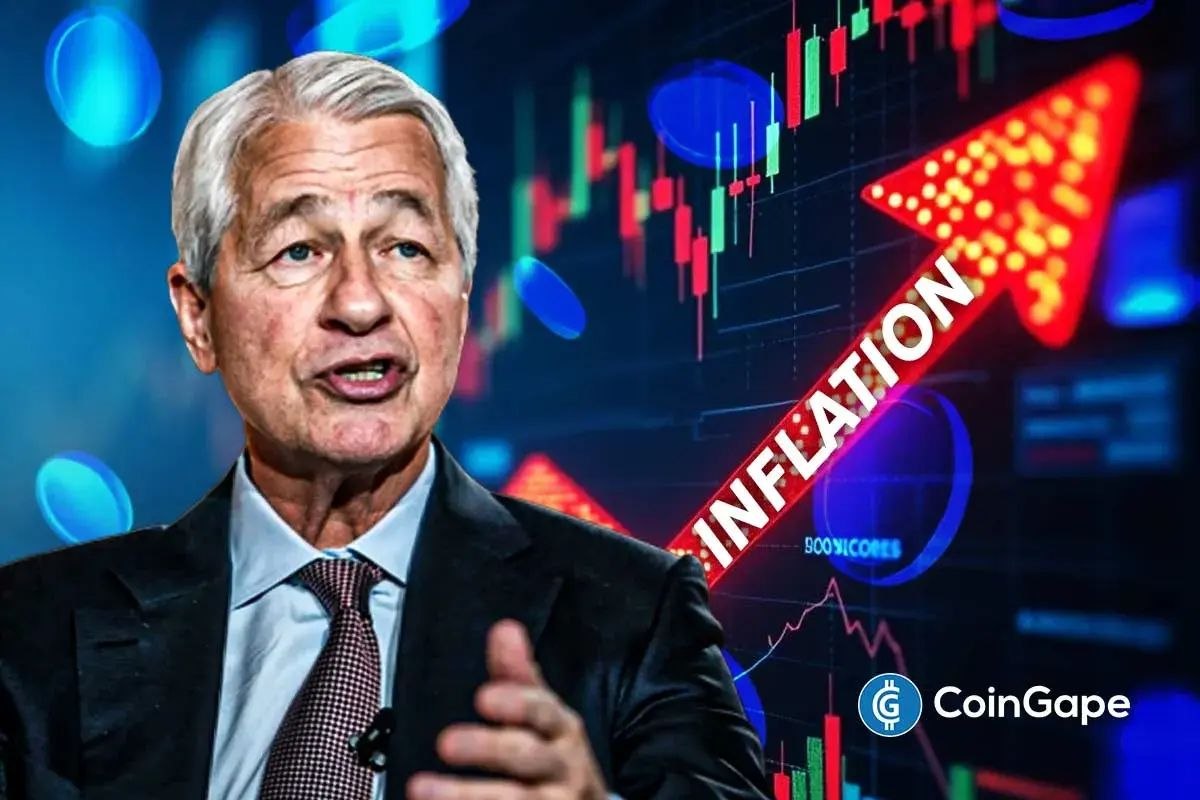
The chief executive of JPMorgan, Jamie Diman, cautioned in his recent letter to shareholders that a confluence of geopolitical turbulence and financial strains is keeping the U.S. economy on a precarious footing, even though some indicators still show resilience. He explained that the current landscape is marked by war‑related disruptions, persistent inflationary pressures, and a gradual deterioration of credit conditions. While consumer spending and corporate earnings have held up for now, Diman warned that a handful of volatile factors could swiftly overturn the modest optimism that exists today. He likened the situation to an economy that can absorb stress only up to a certain limit, after which a cascade of pressures could push it to a tipping point.
In a separate blog post, Diman singled out the ongoing conflict with Iran as a major source of uncertainty. He argued that any interruption of shipping through the Strait of Hormuz could trigger sharp spikes in oil and other commodity prices, reverberating throughout global supply chains. Such shocks, he said, are likely to embed inflation more deeply into the economy and compel central banks to keep interest rates higher for longer than many currently anticipate. Rather than witnessing a rapid decline, Diman projected that inflation might inch upward again, a trend that could become evident as early as 2026.
Diman’s remarks echo recent statements from Federal Reserve Chair Jerome Powell, who noted that, despite signs of economic robustness, the outlook for inflation remains highly uncertain. Powell also drew historical parallels, pointing out that the combination of soaring oil prices and entrenched inflation helped precipitate the recessions of 1974 and 1982. In the past few weeks, energy markets have already reacted to supply worries linked to the Middle East hostilities, while diplomatic tensions have intensified. Former U.S. President Donald Trump warned of possible military strikes against Iran if negotiations falter, a threat issued ahead of a ten‑day deadline tied to the reopening of the Hormuz channel. Iran rebuffed the ultimatum, and talks mediated by regional actors have yet to yield a breakthrough, though cease‑fire discussions between the United States and Iran continue in a limited capacity.
Overall, the convergence of rising oil prices, lingering inflation risks, and strained credit markets paints a picture of an economy that may be teetering on the edge of a slowdown, according to the latest analysis drawn from internet sources.